

Live Panel & Luncheon
The 2026 State of EV Charging in Kansas City
February 11, 2026
Location:
What’s Next for EV Charging in Kansas City? Regional Experts Share Updates on Infrastructure and Growth
Electric vehicle adoption continues to reshape transportation across the Kansas City region, bringing both new opportunities and new challenges for infrastructure, policy, and planning. At Plug-In KC’s recent panel discussion on the “State of EV Charging in Kansas City,” held on Feb 11, 2026, regional leaders shared insights into how charging networks are evolving, where progress is being made, and what obstacles still remain. From local rebates that incentivize charging installation, to fleet electrification strategies, to rural infrastructure constraints, and federal funding uncertainty — this conversation highlighted both the momentum behind electrification in our region and the practical realities of building a reliable charging ecosystem.
For deeper insights, data details, and audience Q&A, be sure to watch the full recording on youtube and review the presentation slides linked below.
Nick Voris, Evergy (Moderator)
Nick Voris opened the conversation by sharing Evergy’s perspective on EV adoption trends and the utility’s role in supporting infrastructure growth. He highlighted how customer programs, charging incentives and time-of-use rates are helping shape charging behavior while also acknowledging that recent policy shifts have influenced growth projections and planning assumptions.
Key Points:
- Home and commercial charging installation rebates continue to support EV adoption.
- Time-of-use rates encourage off-peak charging, reducing fueling costs and balancing the load on the grid.
- EV adoption in the Kansas City area is still steadily growing, though projections have been adjusted due to policy and market changes.
- New public charging deployments and partnerships continue expanding the regional network.
“EV adoption is still moving forward, but the landscape around it has clearly changed.”
Adam Gleason, Transportation Electrification Engineer, HDR
Adam Gleason provided insight into Kansas City, Missouri’s fleet electrification journey and the practical realities of scaling EV adoption within large organizations. He emphasized the importance of planning charging infrastructure ahead of vehicle deployment and using real-world operational data to guide decisions around charger placement, power needs, and charging schedules.
Key Points:
- The City of Kansas City operates nearly 100 EVs across eight departments.
- Light-duty vehicles have been the first and easiest segment to electrify.
- Charging infrastructure should be planned before expanding fleet purchases.
- Telematics and usage data help determine efficient charger sharing and infrastructure sizing.
“Fleet electrification isn’t just about buying vehicles, it’s about planning the infrastructure to support them.”
Brian Alferman, Sustainability Program Manager, Johnson County, KS
Brian Alferman discussed the “Connecting JoCo” initiative with Plug-In KC, a collaborative project bringing Level 2 charging to public destinations across Johnson County. The project focuses on accessibility, equity, and integrating charging into everyday community spaces to reduce range anxiety and support broader EV adoption.
Key Points:
- Public chargers are being installed at parks, community centers, and other activity hubs in Johnson County.
- Equitable access to charging remains one of the biggest barriers to adoption, particularly in disadvantaged census areas.
- Coordinated efforts like “Connecting JoCo” effectively leverage resources for scaled implementation and facilitate lesson sharing for future projects.
- Multi-partner infrastructure projects require focused coordination but create scalable models for future expansion.
“Expansion of public charging plays an important role in making EVs visible and normal in everyday life.”
Tami Alexander, Alternative Fuels Program Manager, Kansas Department of Transportation (KDOT)
Tami Alexander shared updates on Kansas’ rollout of the federal NEVI program and the challenges of building a statewide charging network. She highlighted the realities of rural deployment, including infrastructure limitations and grid constraints, while outlining how upcoming funding rounds aim to expand both corridor fast charging and community-based solutions.
Key Points:
- Kansas has been allocated $39.5 million in federal NEVI funding to build a statewide fast-charging network over a 5 year span.
- 15 DC fast charging stations have been awarded along major highway corridors, with several sites already moving through design and construction, and a high-demand location in Emporia already open.
- Rural deployment often faces power availability and infrastructure constraints, such as lack of 3-phase power.
- Round 3 funding, hopefully awarded in late 2026, will focus on expanding coverage in rural areas and strategic regional hubs to support long-distance EV travel.
“Building a charging network across a rural state requires a lot of coordination and creativity.”
Meet Our Speakers:

Adam Gleason
Transportation Electrification Engineer at HDR
Adam has experience in fleet electrification transition plans, EV charging infrastructure design, and EV readiness planning for communities. He helps fleets of all shapes and sizes transition to electric using data-centered and practical strategies. He is passionate about the transition to sustainable transportation and the technologies that will accelerate it.
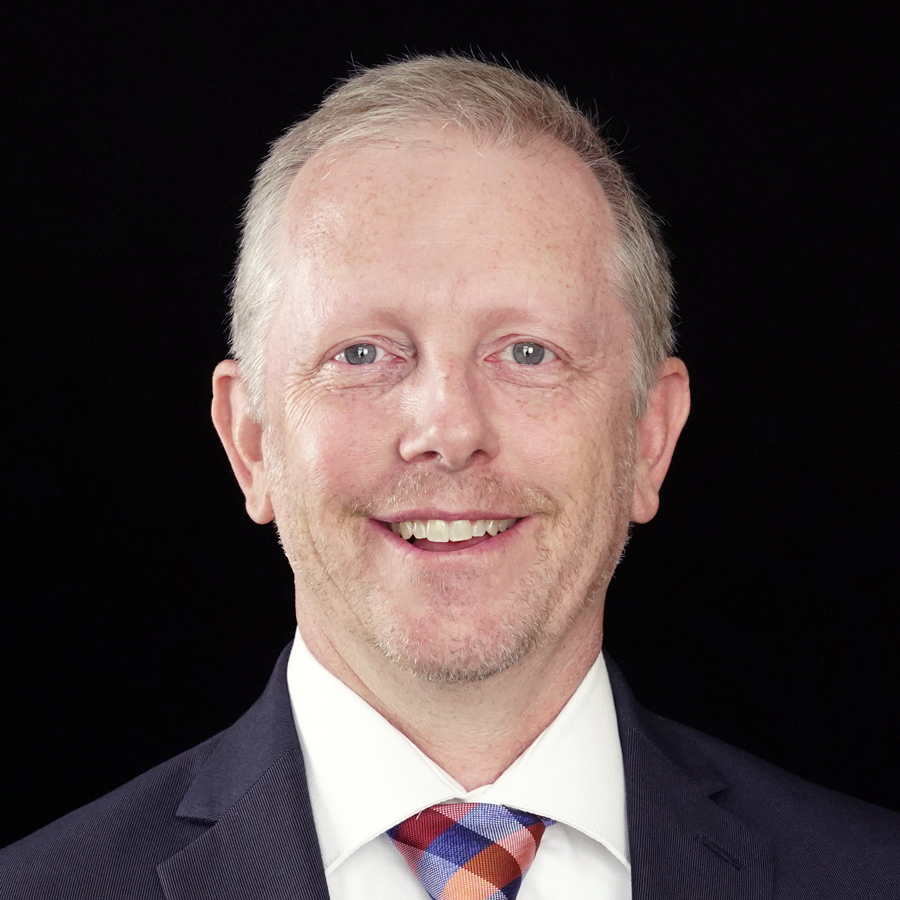
Brian Alferman
Sustainability Program Manager at Johnson County, KS
Brian focuses on the health of our environment and communities through collaboration with businesses, governments, and citizens in innovative, often groundbreaking, ways. Drawing on stints with non-profit, startup, and global private-sector companies, his work has shaped a unique perspective on the concept of “People, Planet, Profit” gained through these diverse experiences.
The culmination of that experience is now applied locally by supporting his home county in reaching its sustainability goals and fostering a healthier, more resilient community for all.
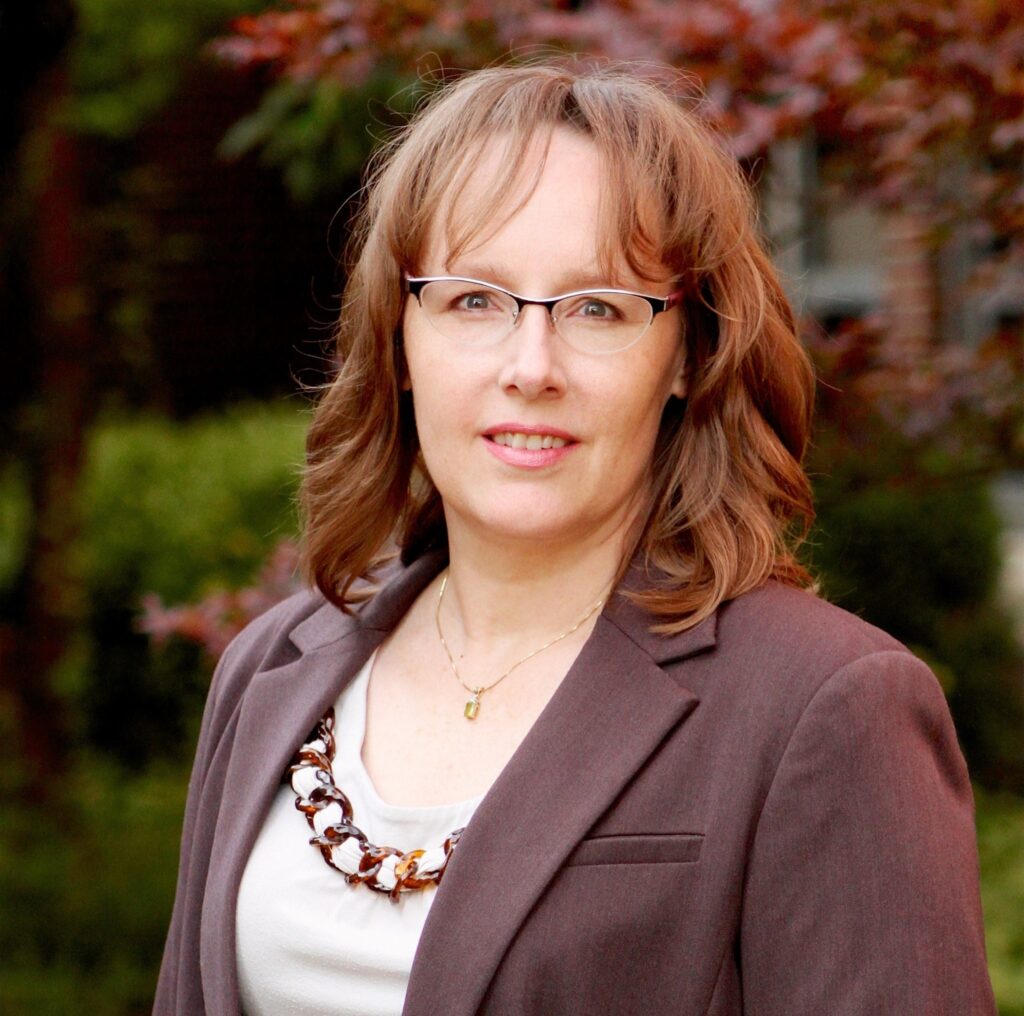
Tami Alexander
Alternative Fuels Program Manager at Kansas Department of Transportation (KDOT)
Tami joined KDOT in 2022 to develop and implement the Kansas NEVI plan and other state planning for EV charging and electric transportation. She has worked in the alternative fuel, EV, and EV charging space since 2017. She has Bachelor‘s degrees in Mathematics-Statistics and Geology and a Master’s in Environmental Science all from Wichita State University.