
Aaron Twombly
Hyundai Ioniq 5
Road Tripping to the Rockies in an EV
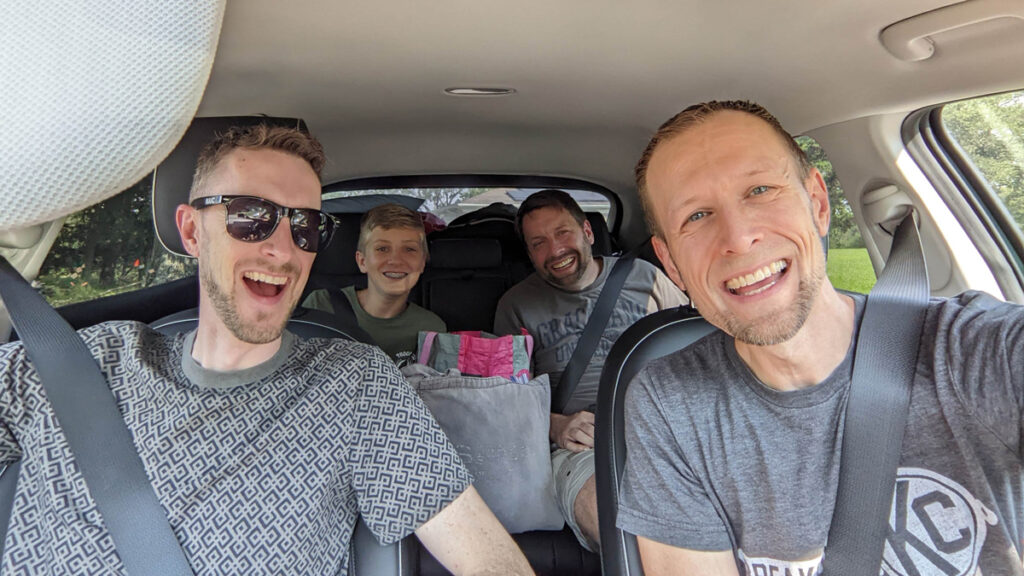
A Kansas City driver shares their first long-distance adventure in a Hyundai Ioniq 5
Taking your electric vehicle on its first road trip can feel like a leap of faith—especially when charging stops replace gas stations and route planning takes on new meaning. But as Kansas City driver Aaron Twombly discovered, a little planning goes a long way. Their recent drive to Rocky Mountain National Park proved that electric vehicle travel is not only possible, but comfortable, convenient, and even fun.
This summer, we took our first official road trip in our 2023 Hyundai Ioniq 5—purchased just this April—to Rocky Mountain National Park.
We left in the evening and made our first stop in Salina, KS, where we charged while eating supper. The car was fully charged before our food even arrived! We topped up to 80% again at the Ionna Rechargery in Wakeeney, and once again, the car finished charging before we could eat our ice cream.

That night, we stayed with family nearby but didn’t plug in there. The next morning, we charged again in Goodland—just long enough for a quick bathroom break. We hung around an extra five minutes to finish charging to 80%. We stopped once more in Limon for lunch, and, as before, the car was charged well before we were done eating.
We had enough range to make it all the way to Estes Park, but while waiting to meet my sister in Denver, we plugged in again for a few minutes. Every charger we used worked without issue. The EVgo stations were especially convenient since my account is linked directly to the car—charging starts automatically.
Once in Estes Park, we had access to a fast charger, but it turned out we didn’t really need it. Just driving around town and Rocky Mountain National Park, a simple Level 1 charge overnight at our VRBO was enough to bring the battery back to about 80%.
The return trip home was done in a single day. We made a brief charging stop in Denver to say goodbye to my sister, then stopped for lunch in Burlington while we charged. We charged again in Wakeeney (and enjoyed more ice cream!) and finally stopped in Abilene at the 24/7 Travel Store. The first charger there didn’t work—it would authorize but never start. We simply pulled forward to the next one, which worked perfectly. Since there was also an Ionna station just a mile down the road, it wouldn’t have been a big deal if it hadn’t worked either, but this stop had better restaurant options.
Overall, I was very pleased with the experience of road-tripping in an EV. Every time we stopped—about every two hours—I was ready to stretch my legs or use the restroom anyway. The trip probably took an extra 30–45 minutes compared to driving an ICE vehicle, but that felt like a small price to pay for a 10-hour trip. The quiet ride and effortless power made driving far more enjoyable.
I should note that the Hyundai and Kia EVs are known for their super-fast charging times. With modern DC fast chargers along the route, we routinely charged from 10–20% up to 80% in just 15–20 minutes, reaching speeds up to around 240 kW. Most other EVs don’t charge quite this fast, so your experience may vary.
Also, the in-vehicle route planner does a good job recommending charging stations, but it tends to be conservative—often suggesting stops at 30–40% charge. We used it along with A Better Route Planner (ABRP) and PlugShare to plan our stops more flexibly and cut down on the total number of charging breaks.
Aaron Twombly
Thinking About Your Own EV Adventure?
Stories like this show how easy—and enjoyable—electric road trips can be with today’s charging networks. Whether you’re planning a weekend getaway or a cross-country drive, Plug-In KC’s EV Research Tool and EV Basics Guide can help compare vehicles and learn about what to expect on the road.
Explore how driving electric can fit your lifestyle—on short trips, long drives, and everywhere in between.